Hearing Check
If you often ask people to repeat themselves or struggle in noise, consider a hearing assessment.
Buying guidance, hearing-health basics, and practical care tips for daily use.
If you often ask people to repeat themselves or struggle in noise, consider a hearing assessment.
Allow 2-4 weeks for your brain to adapt. Start with a few hours per day and build up gradually.
If both ears are affected, wearing support on both sides can improve localization and speech clarity.
Moisture is harmful to hearing aids. Store them dry and carry protection on rainy days.
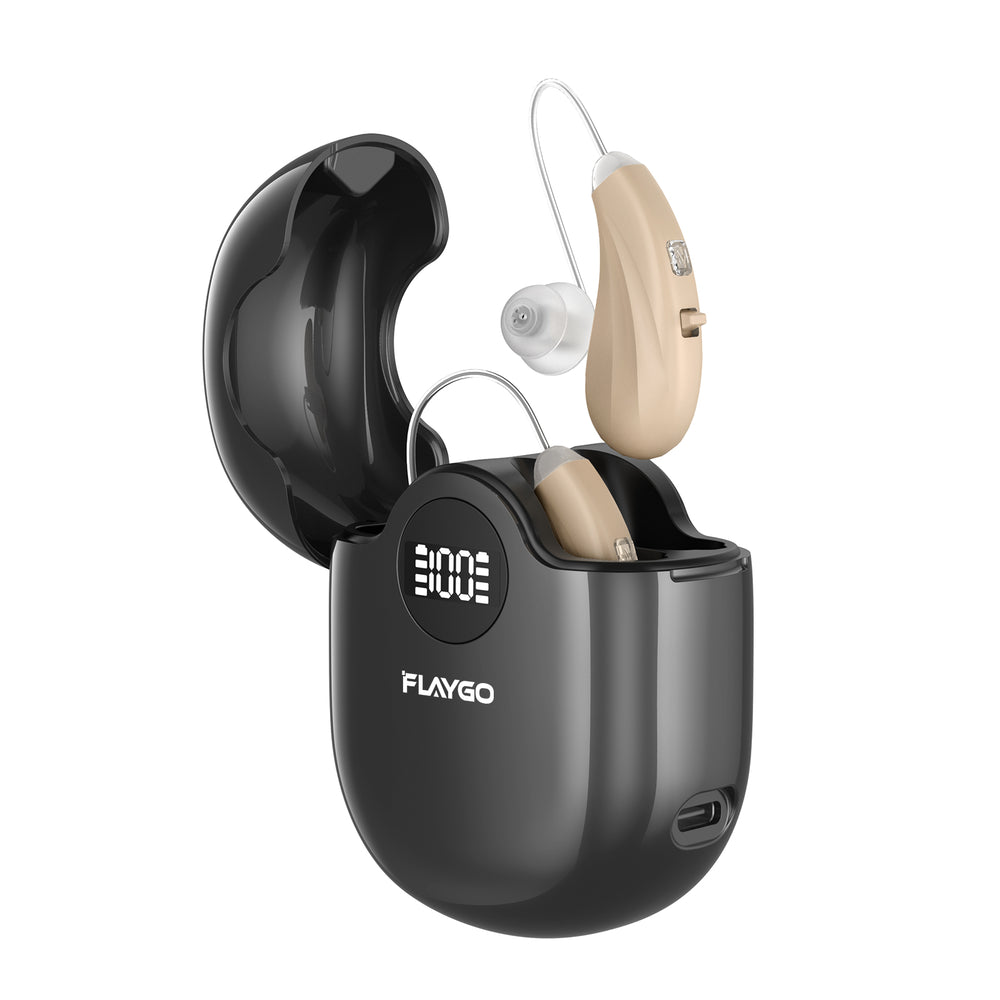
Charge nightly for the best battery routine. Fast charging helps in urgent moments.
Follow the app pairing guide and keep Bluetooth discoverable during first setup.
Find guidance for choosing, wearing and caring for your hearing aids.
A practical guide to choosing the right hearing support for daily life.
A practical guide to choosing the right hearing support for daily life.
Step 1: Understand hearing loss level: A hearing assessment helps determine whether mild or moderate hearing support is appropriate and which model is the best fit.
Step 2: Define daily listening scenarios: Quiet home use, restaurants, meetings, outdoor walks, and TV listening all place different demands on a hearing aid.
Step 3: Consider ease of use: Simple controls, app adjustment, remote fitting, and long battery life make daily adoption easier.
Step 4: Allow an adjustment period: Most users need 2-4 weeks to adapt. Start in quiet environments and increase wearing time gradually.
Understand common causes of hearing loss and how to protect daily listening comfort.
Understand common causes of hearing loss and how to protect daily listening comfort.
What commonly causes hearing loss?: Age, noise exposure, ear conditions, genetic factors, certain medications, and chronic health conditions can all affect hearing.
Why does early support matter?: Early hearing support can help maintain communication confidence and reduce the social strain of untreated hearing loss.
How can I protect remaining hearing?: Avoid prolonged loud noise, keep ear canals clean without over-cleaning, manage chronic conditions, and schedule regular hearing checks.
Will hearing aids damage remaining hearing?: Properly fitted modern hearing aids are designed with output limits and should not damage remaining hearing.
Simple habits for better performance, comfort, and product life.
Simple habits for better performance, comfort, and product life.
Daily wearing tips: Make sure the ear canal is clean and dry, insert the device gently, and increase wearing time gradually during the first weeks.
How should I clean it?: Clean ear tips and sound outlets regularly, check for wear, and store the device in the charging case or a dry box when not in use.
Battery and charging tips: Charge every night for best results. Avoid extreme temperatures and keep the charging case powered.
App usage tips: Complete the guided setup, switch modes by scene, monitor battery level, and use remote fitting when you need support.
Our hearing-care team can help you choose and use the right model.